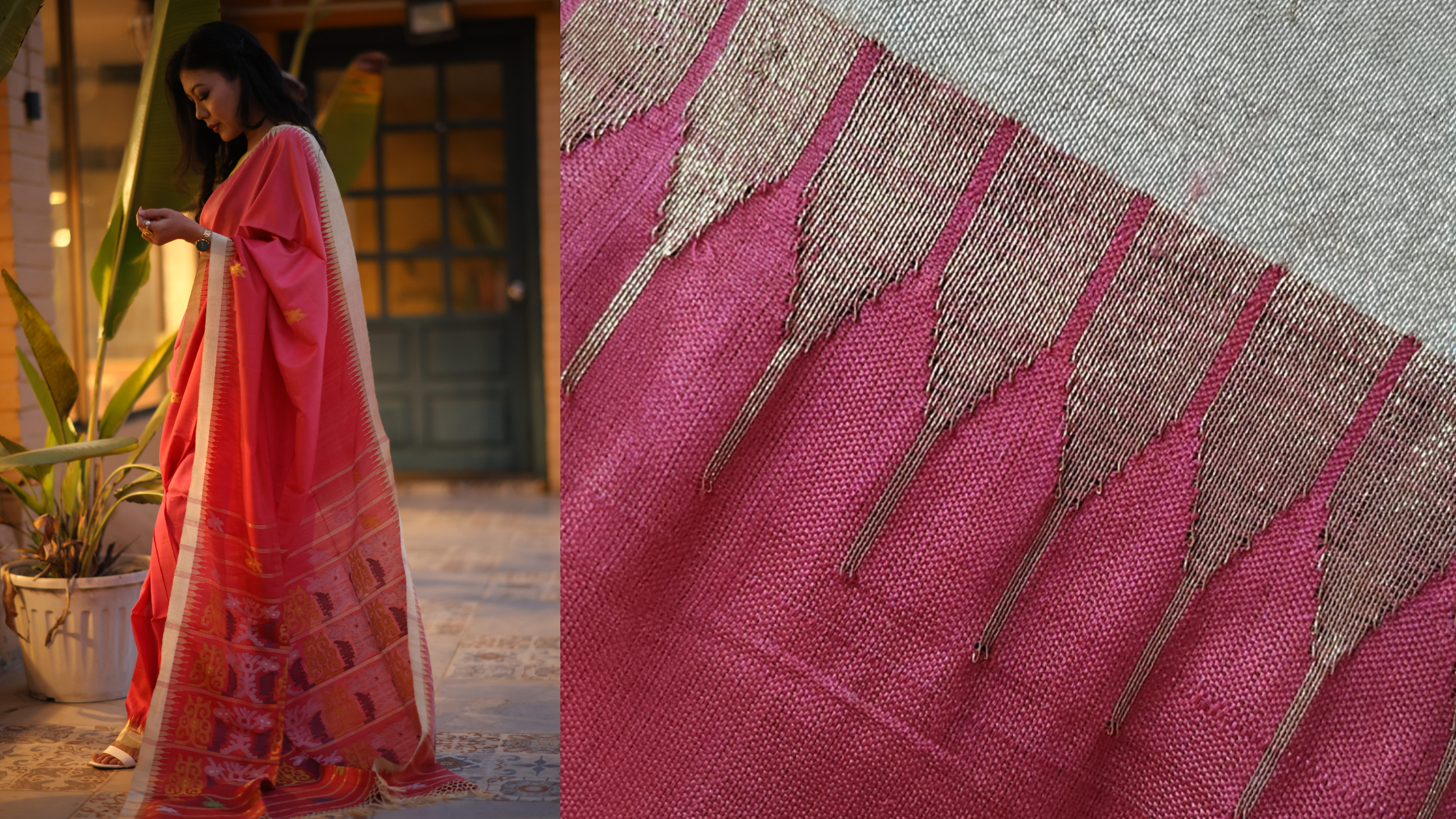
Keeping Cultural Traditions Alive Through Handwoven Fabrics | WeaveRootsByMedhabati
Keeping Cultural Traditions Alive Through Handwoven Fabrics | WeaveRootsByMedhabati
India’s cultural heritage is beautifully preserved in its textiles. Every region has its own weaving traditions, patterns, and stories that have been passed down through generations. Among these remarkable traditions, Manipuri handloom stands as a symbol of artistry, resilience, and identity. Every handwoven fabric reflects not only exceptional craftsmanship but also centuries of history, customs, and cultural values.
In today’s era of fast fashion and machine-made clothing, preserving these traditions has become more important than ever. At Weaveroots By Medhabati, we believe that every handcrafted saree is more than just a piece of clothing—it is a living expression of India’s rich weaving heritage. By choosing authentic handwoven textiles, you become part of a journey that celebrates culture, empowers artisans, and preserves traditions for future generations.
The Legacy of Handwoven Indian Textiles
India has been known for its handloom traditions for thousands of years. Long before industrial manufacturing transformed the textile industry, skilled artisans created fabrics using simple looms and extraordinary craftsmanship. These weaving techniques evolved within families and communities, making textiles an integral part of cultural identity.
Each region developed its own unique style, reflecting local history, traditions, and beliefs. These handcrafted fabrics became symbols of celebration, ceremonies, and everyday life, preserving stories that could be passed from one generation to another without written words.
Today, heritage weaving continues to connect modern consumers with India’s remarkable artistic legacy.
The Timeless Beauty of Manipuri Handloom
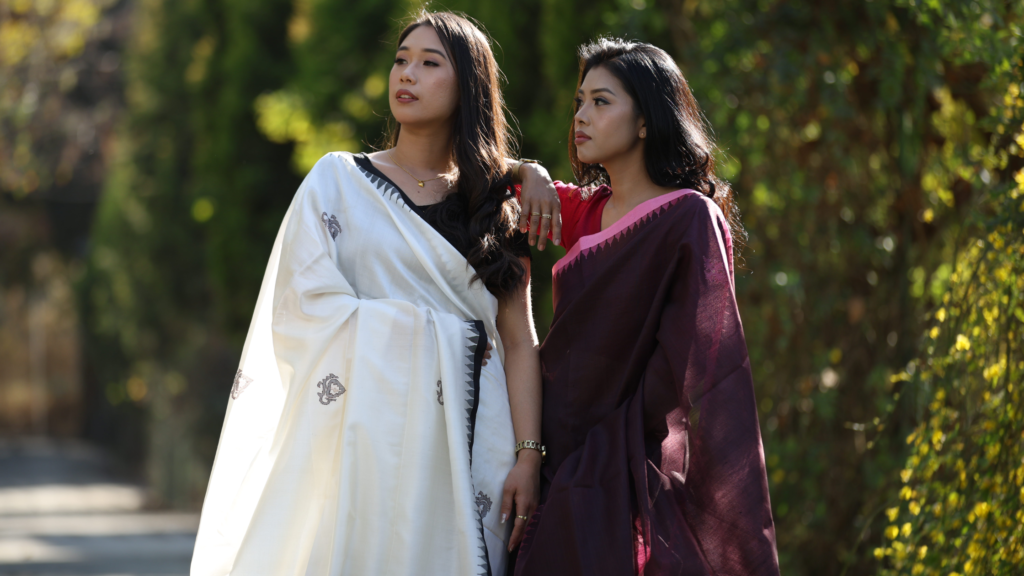
Among India’s many weaving traditions, Manipuri handloom occupies a special place. Renowned for its elegance, fine craftsmanship, and intricate motifs, Manipuri weaving represents centuries of artistic excellence.
Traditional looms remain central to the weaving process. Skilled artisans patiently transform fine cotton and silk yarn into beautiful sarees that require remarkable precision and dedication. Depending on the complexity of the design, a single saree can take several days or even weeks to complete.
Unlike machine-made fabrics, every authentic Manipuri handloom saree carries subtle variations that make it unique. These natural differences are not imperfections—they are the signature of genuine craftsmanship and the artisan’s individual touch.
At Weaveroots By Medhabati, every collection celebrates this timeless tradition while bringing authentic Indian craftsmanship to customers who appreciate quality and heritage.
The Story Hidden Within Moirangphee
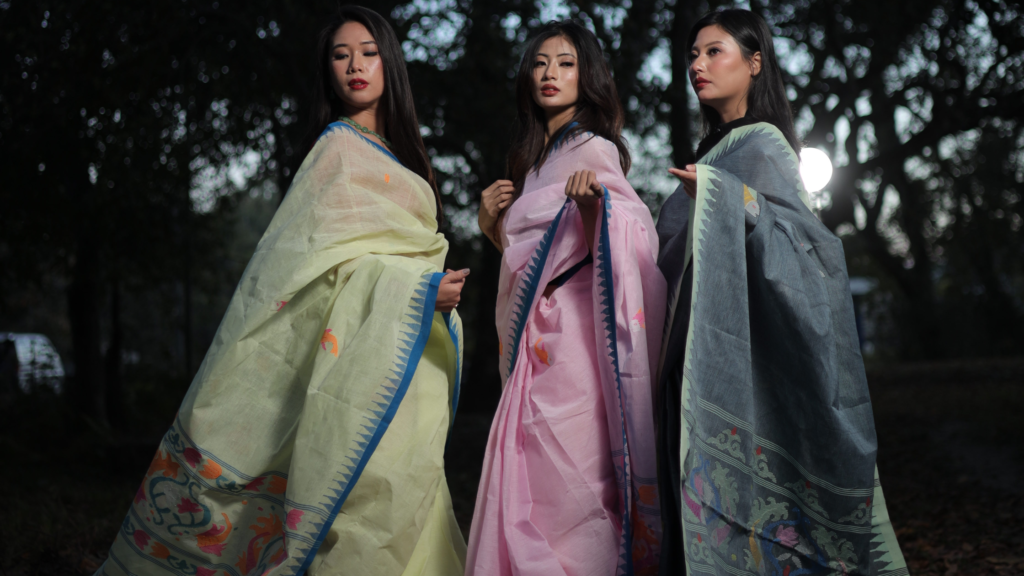
One of the most fascinating examples of Manipuri weaving is the traditional Moirangphee textile. At first glance, its geometric motifs appear simple, but each design carries profound cultural significance.
The famous Moirang Phijin motif features sharp inward-facing triangular forms associated with Pakhangba, the sacred serpent dragon in Meitei cosmology. Rather than serving as decorative elements alone, these motifs symbolize protection, authority, and ancestral continuity. They represent the balance between inner harmony and the outside world while preserving stories deeply rooted in Manipuri history.
Historically, Moirangphee emerged from the ancient kingdom of Moirang and became associated with ceremonial tribute cloth presented to Meitei rulers. These textiles reflected loyalty, rank, and ritual traditions, quietly preserving cultural narratives through woven patterns.
Perhaps the most inspiring aspect of this heritage is the role of women. In Manipur, weaving has long been a household tradition practiced by women who passed their knowledge from one generation to the next. The loom became more than a tool—it became a symbol of family, identity, and matriarchal continuity. Every woven fabric reflected not only artistic skill but also the strength of the women who preserved these traditions.
Why Cultural Preservation Matters
Traditional handwoven fabrics are much more than fashion. They represent centuries of accumulated knowledge, craftsmanship, and community identity.
As mass-produced textiles continue to dominate the market, many traditional weaving practices face the risk of disappearing. Supporting authentic handloom helps preserve these invaluable skills while ensuring that younger generations continue learning the craft.
Every handcrafted saree purchased contributes to protecting India’s cultural diversity and preserving artistic traditions that cannot be replicated by machines.
Handloom and Sustainable Fashion
Keeping cultural traditions alive also supports a more sustainable future. Handloom weaving naturally follows the principles of slow fashion by prioritizing quality over quantity.
Traditional looms require minimal energy, while handcrafted production creates significantly less environmental impact compared to industrial manufacturing. Instead of producing disposable garments, artisans create textiles designed to last for decades.
Choosing handwoven fabrics allows consumers to embrace sustainable fashion while preserving cultural heritage at the same time.
The Elegance of Mulberry Silk
Many authentic Manipuri sarees feature premium Mulberry Silk, admired for its luxurious texture, graceful drape, and natural sheen. Carefully cultivated silk fibres are transformed into fine yarn before being woven into elegant sarees by skilled artisans.
The result is a textile that combines durability with sophistication, making it ideal for weddings, festivals, and treasured family heirlooms. With proper care, a handwoven Mulberry Silk saree can remain beautiful for generations, becoming a lasting symbol of both craftsmanship and heritage.
Supporting India’s Artisan Communities
Every handwoven saree represents the dedication of artisans whose skills have been developed over decades. Supporting handloom directly contributes to the livelihoods of weaving families while encouraging younger generations to continue practicing traditional crafts.
By choosing handcrafted textiles, customers help preserve artisan communities, strengthen rural economies, and celebrate the remarkable talent of Indian weavers.
At Weaveroots By Medhabati, every saree reflects our commitment to supporting artisans while preserving India’s extraordinary weaving heritage.
Preserving Heritage for Future Generations
Traditional handwoven fabrics are not simply products—they are cultural treasures. Every motif, every thread, and every weave carries stories that connect us to India’s remarkable past while inspiring future generations.
At Weaveroots By Medhabati, we are proud to preserve the beauty of Manipuri handloom through authentic craftsmanship and ethical practices. Every saree in our collection celebrates the enduring legacy of Indian artisans who continue to keep these traditions alive with passion and dedication.
When you choose authentic handwoven textiles, you are doing more than purchasing a saree. You are supporting heritage weaving, empowering artisans, and becoming part of a timeless story woven with culture, craftsmanship, and tradition.