Supporting Handloom Artisans: Empowering Traditional Weavers | WeaveRootsByMedhabati
The Importance of Supporting Traditional Weavers
Behind every handwoven textile is an artisan whose skill, dedication, and creativity transform simple yarn into extraordinary works of art. Across India, thousands of weaving families continue to preserve traditions that have been passed down through generations.
Supporting these artisans is essential for ensuring the survival of heritage weaving, promoting sustainable livelihoods, and preserving the cultural richness of Indian textiles. At Weaveroots By Medhabati, we believe that Artisan Empowerment is the foundation of preserving authentic craftsmanship.
The Human Story Behind Every Saree
Unlike mass-produced fashion, handwoven textiles are created by individuals whose expertise is developed through years of practice.
Every stage of the weaving process requires precision, patience, and artistic understanding. A single saree may take days or weeks to complete depending on the complexity of its design.
When customers purchase authentic handwoven textiles, they are supporting real people and helping sustain traditional livelihoods.
Preserving Heritage Through Weaving
Manipuri handloom weaving is a remarkable example of India’s living heritage.
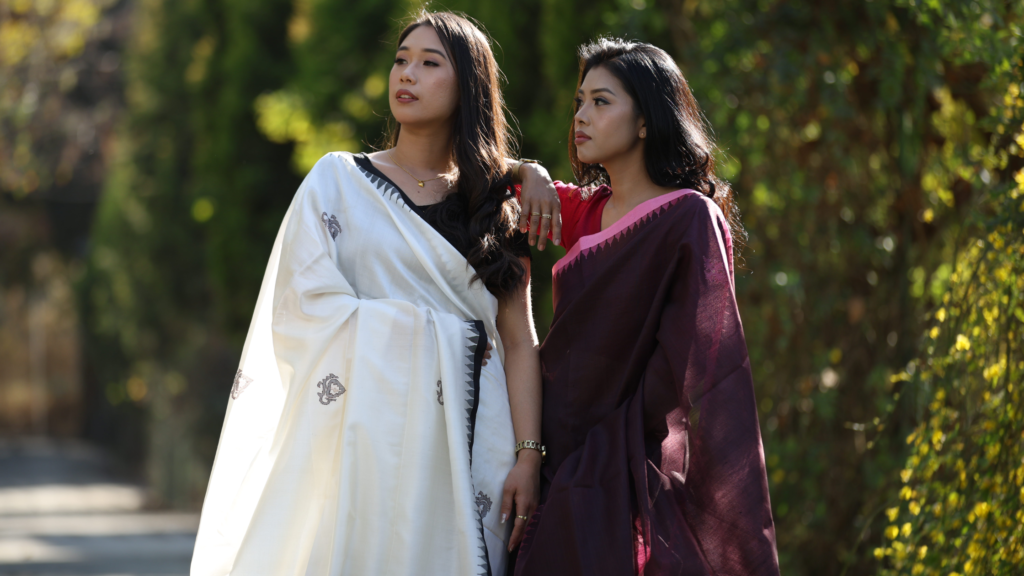
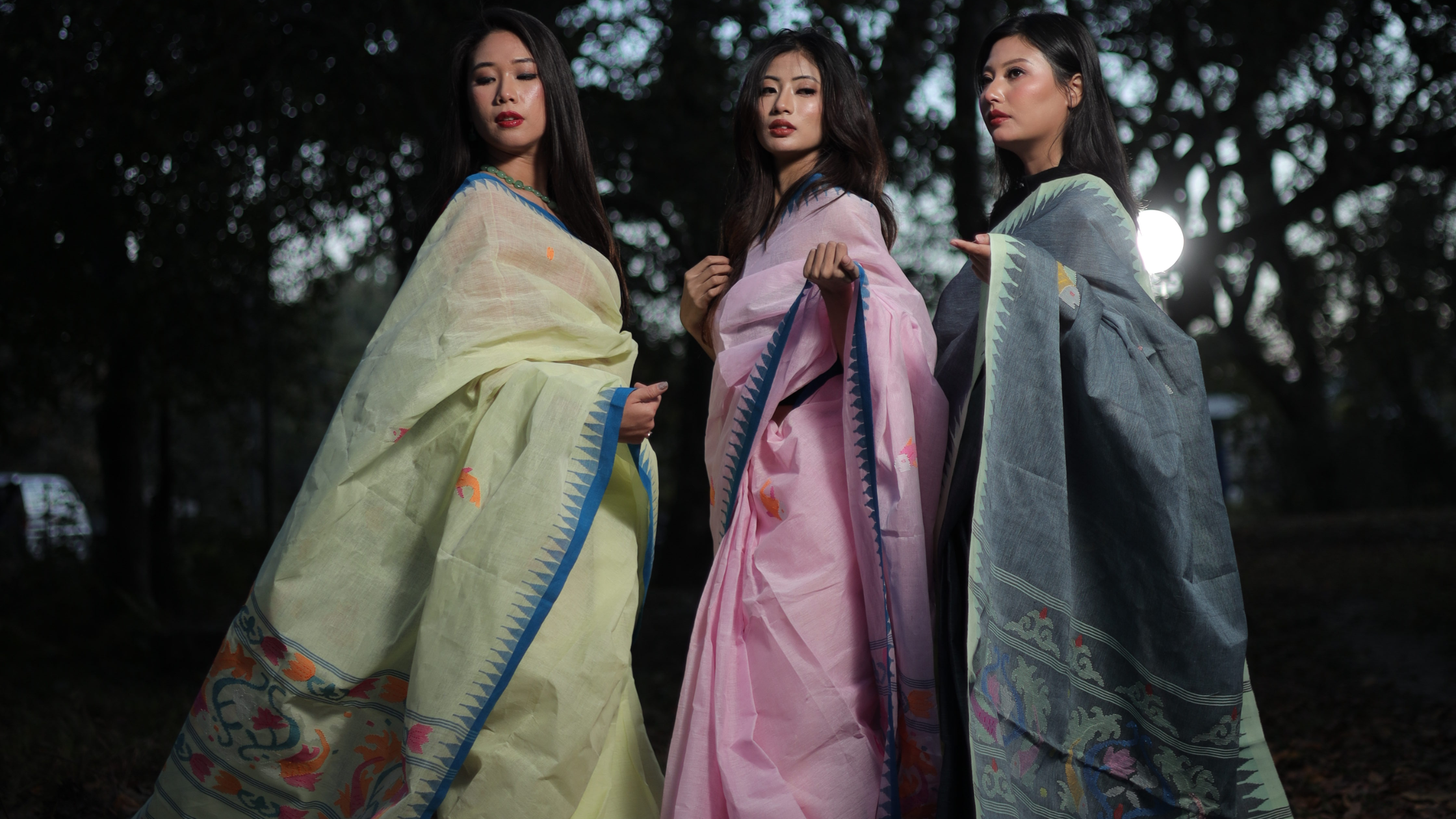
For centuries, artisans have preserved weaving techniques that reflect local culture, traditions, and artistic values. Traditional looms remain central to the creation of elegant sarees that embody Indian craftsmanship.
These weaving practices are more than economic activities—they are cultural traditions that connect communities to their history.
Why Artisan Empowerment Matters
Sustaining Livelihoods
Supporting artisans creates stable economic opportunities for weaving communities and helps preserve traditional occupations.
Preserving Traditional Skills
Many weaving techniques are learned through direct mentorship and family traditions. Continued demand encourages younger generations to acquire these valuable skills.
Encouraging Ethical Fashion
Artisan-made textiles promote transparency, authenticity, and responsible production practices.
Strengthening Cultural Identity
Empowered artisans become guardians of cultural heritage, ensuring that traditional knowledge remains relevant in modern society.
Handwoven Textiles and Sustainable Fashion
The growing interest in sustainable fashion has created new opportunities for traditional artisans.
Consumers increasingly seek products that reflect ethical values, authenticity, and environmental responsibility. Handwoven textiles naturally align with these priorities because they emphasize quality craftsmanship over mass production.
Choosing artisan-made products helps support both cultural preservation and sustainable consumption.
The Luxury of Handcrafted Excellence
Many Weaveroots By Medhabati collections feature premium Mulberry Silk, a material celebrated for its softness, durability, and natural beauty.
When woven by skilled artisans, Mulberry Silk becomes a timeless expression of elegance. The resulting sarees offer exceptional comfort while preserving the authenticity of traditional craftsmanship.
These handcrafted creations often become treasured heirlooms passed from one generation to another.
How Consumers Can Support Handloom Artisans
There are many ways to contribute to artisan empowerment:
- Purchase authentic handwoven textiles.
- Support ethical fashion brands.
- Learn about traditional weaving cultures.
- Share artisan stories with others.
- Choose quality over fast fashion.
- Invest in sustainable textiles.
Every action helps strengthen artisan communities and preserve valuable cultural traditions.
Weaveroots By Medhabati’s Commitment
At Weaveroots By Medhabati, our mission extends beyond offering beautiful textiles. We are dedicated to supporting traditional weavers, celebrating Indian craftsmanship, and preserving heritage weaving for future generations.
Each saree in our collection reflects the hard work, creativity, and cultural pride of the artisans who create it. Through responsible sourcing and appreciation for authentic craftsmanship, we aim to create meaningful connections between artisans and customers.
Conclusion
Supporting handloom artisans is about much more than purchasing textiles. It is about empowering communities, preserving cultural heritage, and ensuring that centuries-old traditions continue to thrive.
By choosing authentic handwoven sarees and artisan-made products, consumers help sustain the skilled weavers who keep India’s remarkable textile legacy alive. Together, we can celebrate craftsmanship, promote sustainable fashion, and preserve the stories woven into every thread.