The Importance of Keeping Traditional Handloom Art Alive | WeaveRootsByMedhabati
Why Traditional Handloom Art Must Be Preserved
India’s handloom traditions are living expressions of history, culture, and creativity. Every woven textile reflects generations of knowledge, artistry, and community identity. Yet, with the rise of industrial manufacturing and fast fashion, many traditional weaving practices face significant challenges.
Keeping traditional handloom art alive is essential not only for preserving Indian Craftsmanship but also for supporting artisan communities, promoting sustainable textiles, and safeguarding cultural heritage for future generations.
Handloom Art: A Legacy Beyond Fashion
Handloom weaving is one of India’s oldest artistic traditions. Across different regions, weaving techniques evolved to reflect local customs, beliefs, and artistic expressions.
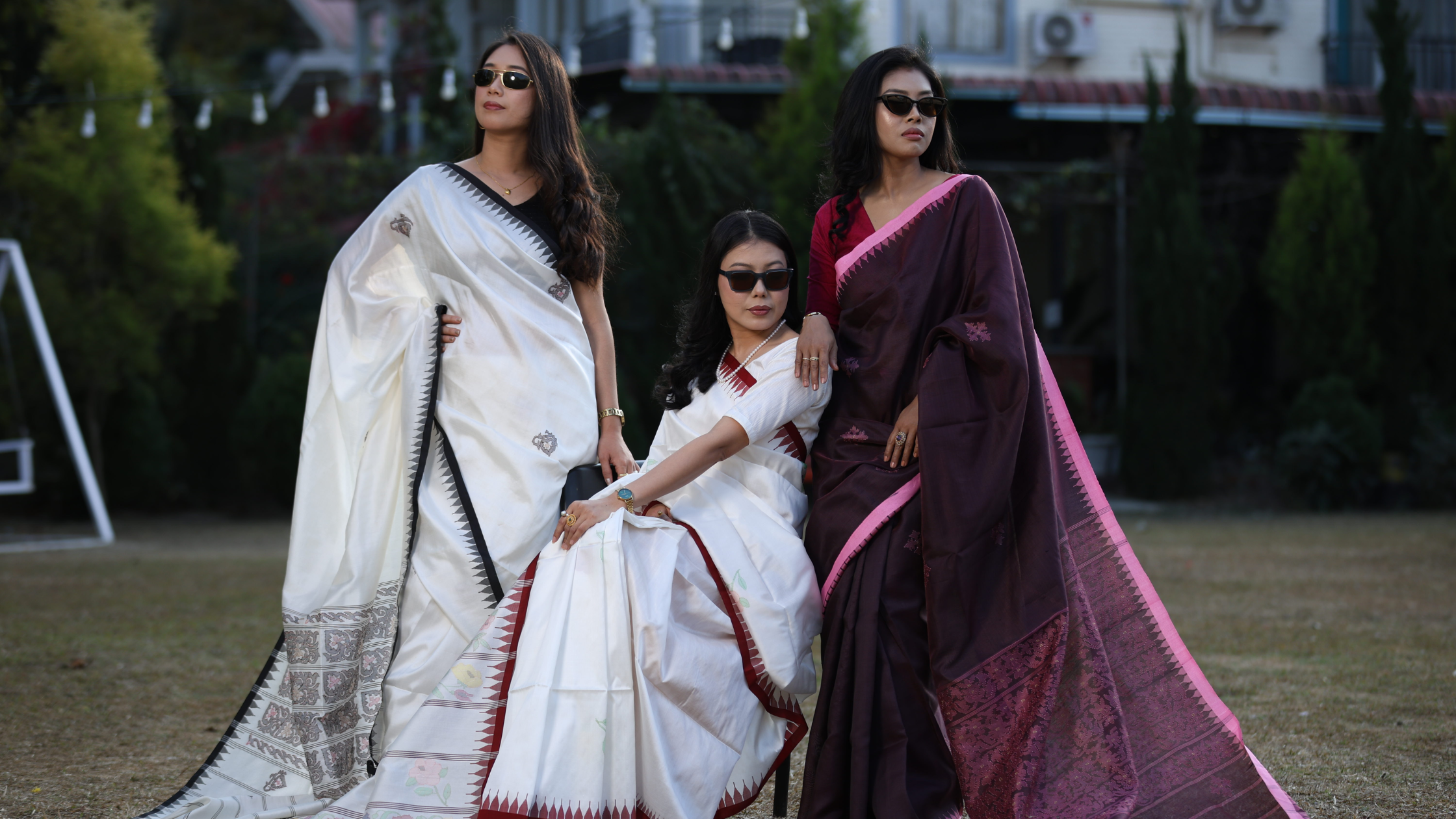
Each textile tells a story through its motifs, colors, and weaving patterns. Unlike mass-produced fabrics, handwoven creations embody the dedication and creativity of individual artisans. At Weaveroots By Medhabati, we celebrate these traditions by bringing authentic handwoven textiles to customers who value heritage and craftsmanship.
The Value of Authentic Handwoven Sarees
Authentic handwoven sarees offer qualities that machine-made fabrics simply cannot replicate.
Unique Craftsmanship
Every handwoven saree carries subtle differences that reflect the artisan’s handwork, making each piece one of a kind.
Cultural Significance
Traditional designs preserve local stories, customs, and historical influences.
Exceptional Quality
Handwoven textiles often provide superior durability, comfort, and elegance.
Timeless Appeal
Unlike trend-driven fast fashion, handloom textiles remain relevant across generations.
Sustainable Textiles for a Better Future
The fashion industry is increasingly focused on sustainability, and handloom weaving naturally aligns with eco-conscious values.
Traditional weaving processes consume fewer resources and rely on skilled human craftsmanship rather than energy-intensive machinery. This makes handwoven textiles an environmentally responsible choice.
Consumers seeking sustainable fashion can contribute positively by choosing artisan-made products that support ethical production practices.
Empowering Artisan Communities
Keeping handloom traditions alive directly benefits weaving communities.
When customers purchase authentic handwoven textiles, they help create income opportunities for artisans while encouraging younger generations to continue learning traditional skills.
This support plays a vital role in preserving heritage weaving techniques that might otherwise be lost.
The Luxury of Pure Mulberry Silk
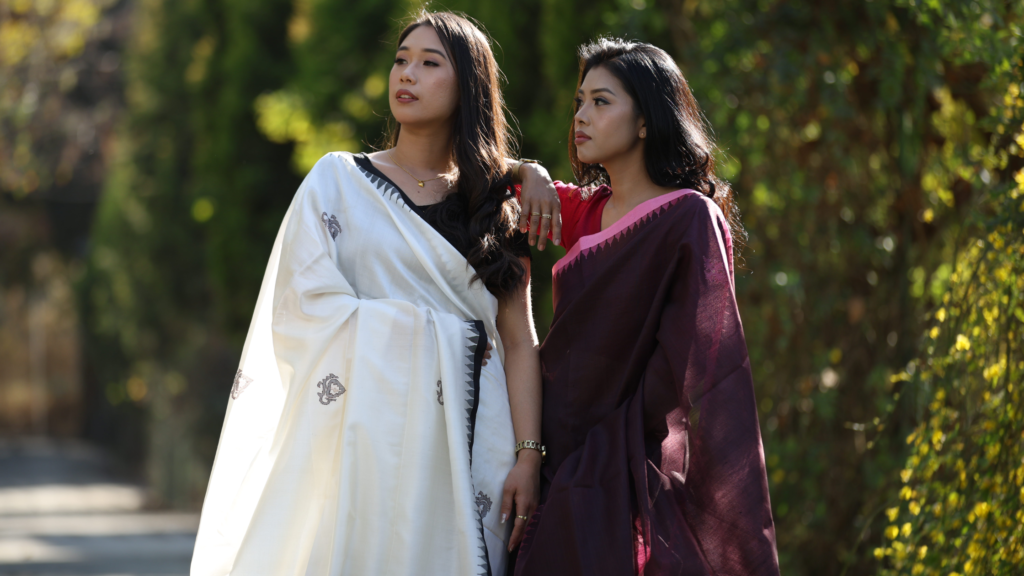
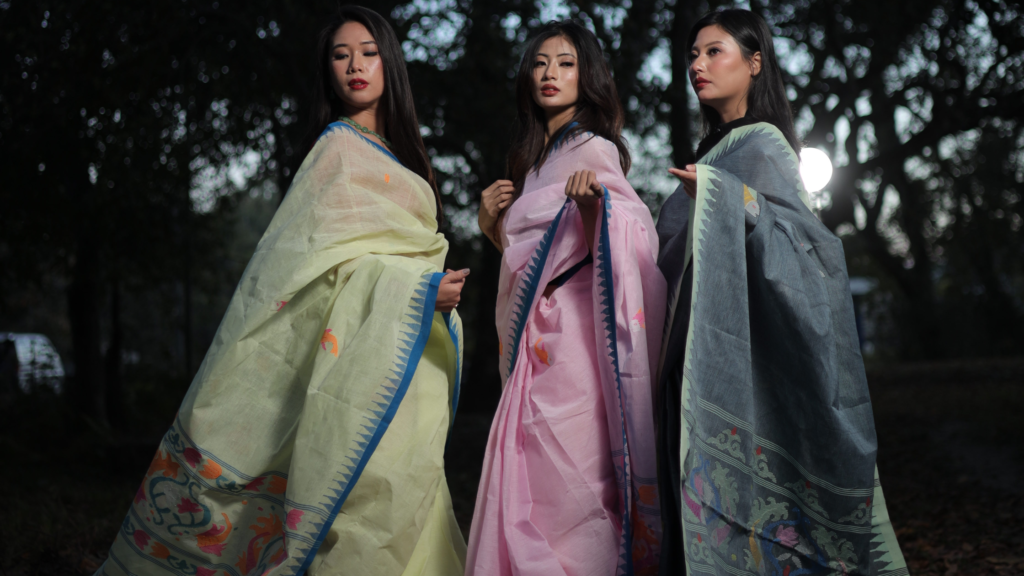
Many Manipuri sarees are crafted using premium Mulberry Silk, known for its smooth texture and natural shine.
The combination of fine silk and traditional weaving techniques creates sarees that are elegant, lightweight, and highly durable. These qualities make them ideal for weddings, celebrations, and special occasions.
A Mulberry Silk saree is more than a luxury product—it is a representation of artistic excellence and cultural heritage.
Why Consumers Matter
The future of handloom traditions depends not only on artisans but also on consumers.
By choosing handcrafted textiles, customers:
- Support artisan empowerment.
- Promote sustainable textiles.
- Preserve cultural heritage.
- Encourage ethical fashion practices.
- Help maintain traditional weaving skills.
Every purchase becomes an investment in the future of Indian craftsmanship.
Conclusion
Traditional handloom art represents far more than fashion. It preserves stories, communities, and cultural identities that have evolved over centuries.
By supporting authentic handwoven textiles, consumers play an active role in ensuring that these remarkable traditions continue to thrive. Through heritage weaving, artisan empowerment, and sustainable practices, traditional handloom art remains a powerful symbol of India’s enduring creative legacy.