Why Young Indian Women Are Rediscovering Handloom Sarees in 2026 | WeaveRootsByMedhabati
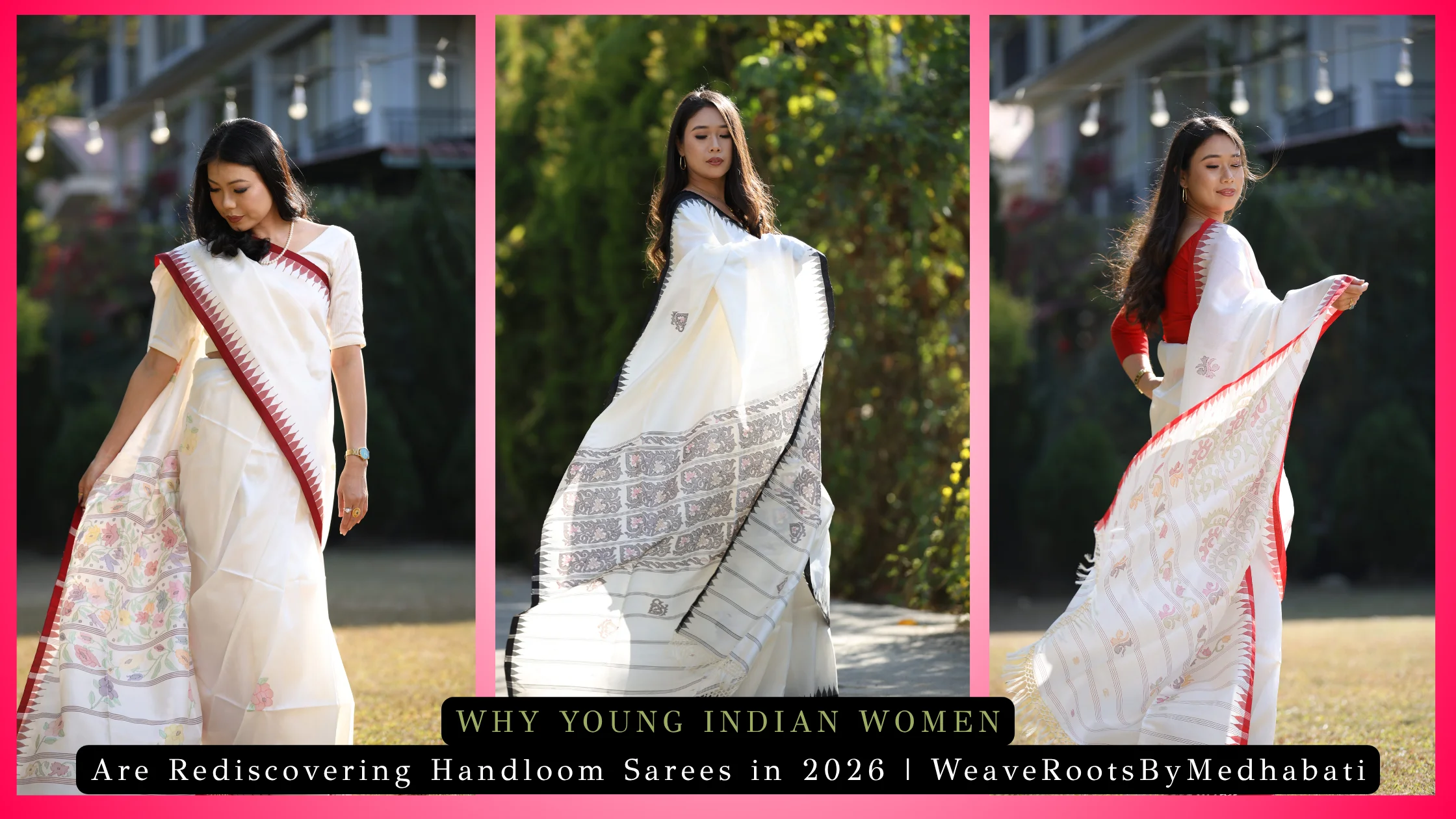
Why Young Indian Women Are Rediscovering Handloom Sarees in 2026 | WeaveRootsByMedhabati
Fashion is constantly changing, but some traditions never truly disappear. In 2026, a growing number of young Indian women are rediscovering the beauty of handloom sarees and bringing them into wardrobes shaped by modern lifestyles, contemporary styling, and conscious fashion choices.For a generation surrounded by fast fashion and mass-produced clothing, handwoven sarees offer something different: authenticity, individuality, craftsmanship, and a connection to Indian heritage. They are no longer seen only as traditional garments reserved for weddings or older generations. Instead, young women are styling them for offices, celebrations, cultural events, dinners, and everyday occasions.
At Weaveroots By Medhabati, this renewed appreciation for handloom reflects a deeper interest in Indian Craftsmanship, heritage weaving, and beautifully made textiles.
A New Perspective on Traditional Sarees
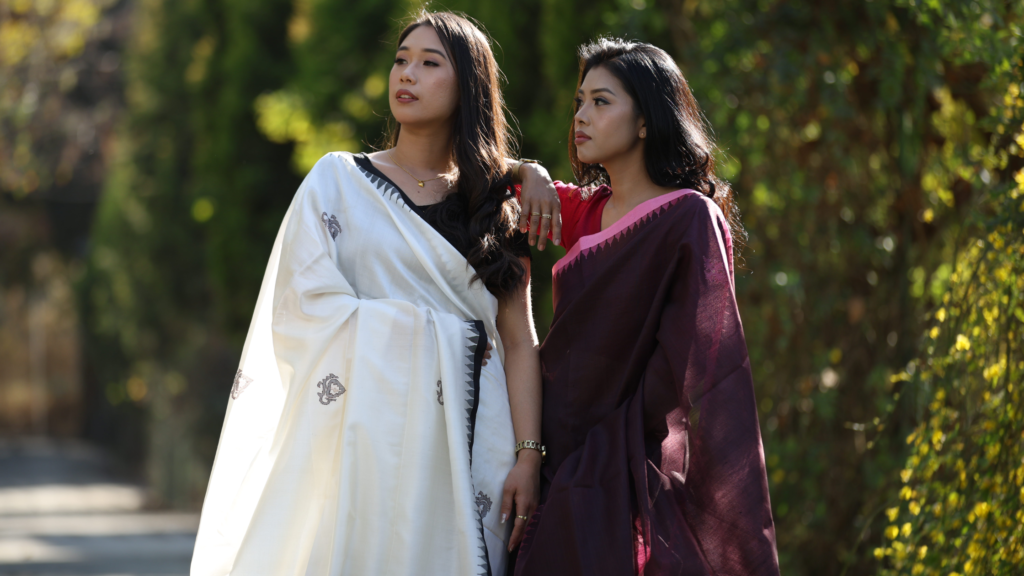
For many young women, the saree is no longer associated with a particular age or generation. Contemporary styling has transformed how handloom sarees are worn and perceived.
A traditional handwoven saree can be paired with a structured blouse, minimal jewellery, modern footwear, or even a contemporary handbag. The result is a look that respects tradition while feeling completely relevant to today’s fashion landscape.
This flexibility has helped Manipuri Handloom Sarees find a place in modern wardrobes, particularly among women who want their clothing to reflect both cultural identity and personal style.
Choosing Quality Over Fast Fashion
The growing interest in handloom is also connected to a broader shift toward thoughtful consumption.
Fast fashion encourages frequent purchases and rapidly changing trends. Handloom offers a different philosophy. A carefully woven saree can remain relevant for years, allowing the wearer to create multiple looks from one timeless piece.
Young consumers are increasingly interested in knowing how their clothing is produced, what materials are used, and who made it. This curiosity has created greater appreciation for Handcrafted Textiles India is known for.
Choosing handwoven clothing means valuing the time, skill, and craftsmanship involved in creating it.
Every Saree Has Individual Character
One of the most beautiful qualities of handloom is that no two pieces need to feel completely identical.
Subtle variations in texture, weave, and pattern are natural results of the human weaving process. Rather than being imperfections, these details demonstrate that the textile has been created by skilled hands.
For young women accustomed to mass-produced fashion, this individuality can be especially appealing. A handwoven saree feels personal. It carries the character of its making and offers something beyond uniform production.
The Appeal of Manipuri Handloom
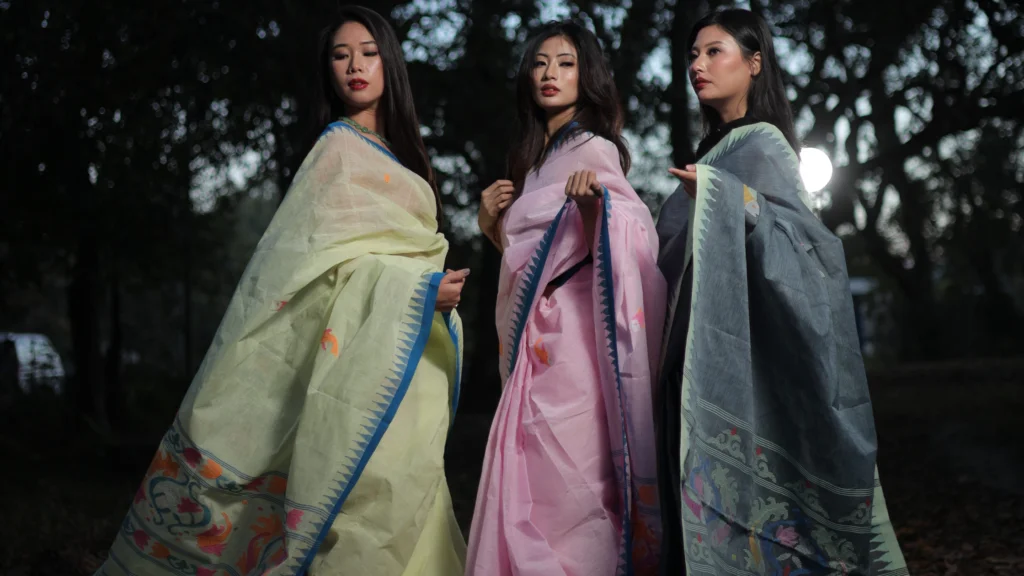
Manipuri weaving traditions have a distinctive place within India’s textile heritage. Traditional artisans continue to create beautiful textiles using skills and techniques preserved through generations.
Manipuri handloom sarees combine cultural depth with graceful aesthetics, making them suitable for women who prefer understated elegance rather than excessive embellishment.
Whether styled for a professional meeting, festive gathering, family celebration, or special occasion, these textiles allow modern women to connect with regional craftsmanship while expressing their own fashion identity.
Mulberry Silk and Modern Luxury
Silk has always represented elegance, but young women today are increasingly appreciating silk for its craftsmanship rather than simply its luxurious image.
Mulberry Silk is admired for its smooth texture, natural sheen, lightweight feel, and graceful drape. When combined with traditional handloom techniques, it creates sarees that feel luxurious yet timeless.
A handwoven Mulberry Silk saree can move effortlessly between generations. It can be styled traditionally for a wedding or given a contemporary appearance for a formal event.
This versatility makes it a valuable addition to a modern wardrobe.
Handloom and Conscious Fashion
Sustainability is another important reason behind the renewed interest in handloom.
Young Indian consumers are becoming more aware of clothing waste and the environmental impact of disposable fashion. They are increasingly searching for garments that can be worn repeatedly and valued for longer.
Handwoven textiles naturally complement this mindset. Instead of purchasing something designed around a short-lived trend, a quality saree can become a long-term wardrobe piece.
This makes handloom an important part of the conversation around Sustainable Fashion India, where craftsmanship, durability, and responsible consumption come together.
Wearing Heritage with Confidence
Perhaps the biggest change is cultural. Young women are not simply preserving traditional clothing—they are redefining it.
They are wearing sarees with sneakers, contemporary blouses, minimalist accessories, modern hairstyles, and personal styling choices. They are showing that heritage clothing does not have to look dated.
This new approach allows traditional textiles to remain relevant without losing their identity.
At Weaveroots By Medhabati, we celebrate women who appreciate this balance between heritage and modern expression. Our handcrafted collections honour traditional weaving while offering timeless pieces for today’s wardrobe.
Why the Handloom Revival Matters
When a young woman chooses a handwoven saree, she is making more than a fashion choice. She is helping create demand for traditional craftsmanship and supporting the artisans who continue these practices.
The future of Indian handloom depends not only on preserving old techniques but also on introducing them to new generations. When young consumers wear, share, style, and appreciate handloom, heritage becomes part of contemporary culture rather than remaining confined to history.
Conclusion
The renewed interest in handloom sarees among young Indian women in 2026 represents more than a fashion trend. It reflects a growing appreciation for authenticity, sustainability, individuality, and cultural heritage.
From elegant Manipuri handloom to luxurious Mulberry Silk, handcrafted sarees offer modern women a way to dress beautifully while staying connected to India’s remarkable textile traditions.
At Weaveroots By Medhabati, every handwoven creation celebrates Indian Craftsmanship, artisan skill, and the timeless beauty of Handwoven Textiles.
Handloom is not simply a tradition being preserved. It is a heritage being worn, reimagined, and carried forward by a new generation.